



The Evolution of Children’s Games and Their Impact on Generations’ Development
Children’s games are a mirror of their time. They reflect not only the cultural and social characteristics of an era but also technological progress, the level of public education, and prevailing views on upbringing. The shift from simple outdoor play to digital entertainment is more than just a change in format. It’s a profound transformation that influences the mental, emotional, and cognitive development of children, shaping a new generation with distinctive traits, skills, and perceptions of the world.
From Sticks and Balls to the First Gaming Consoles
Childhood in the past century in Slovenia, as in many other countries, took place mostly outdoors. Games were collective, physically active, and often developed communication skills, endurance, and agility. Simple games like hide and seek (“skrivalnice”), “mill” (a traditional board game), hopscotch, and tag were an essential part of growing up. Toys were handmade: wooden horses, rag dolls, paper airplanes. Imagination played the leading role. A child could be entertained for hours using only their creativity.
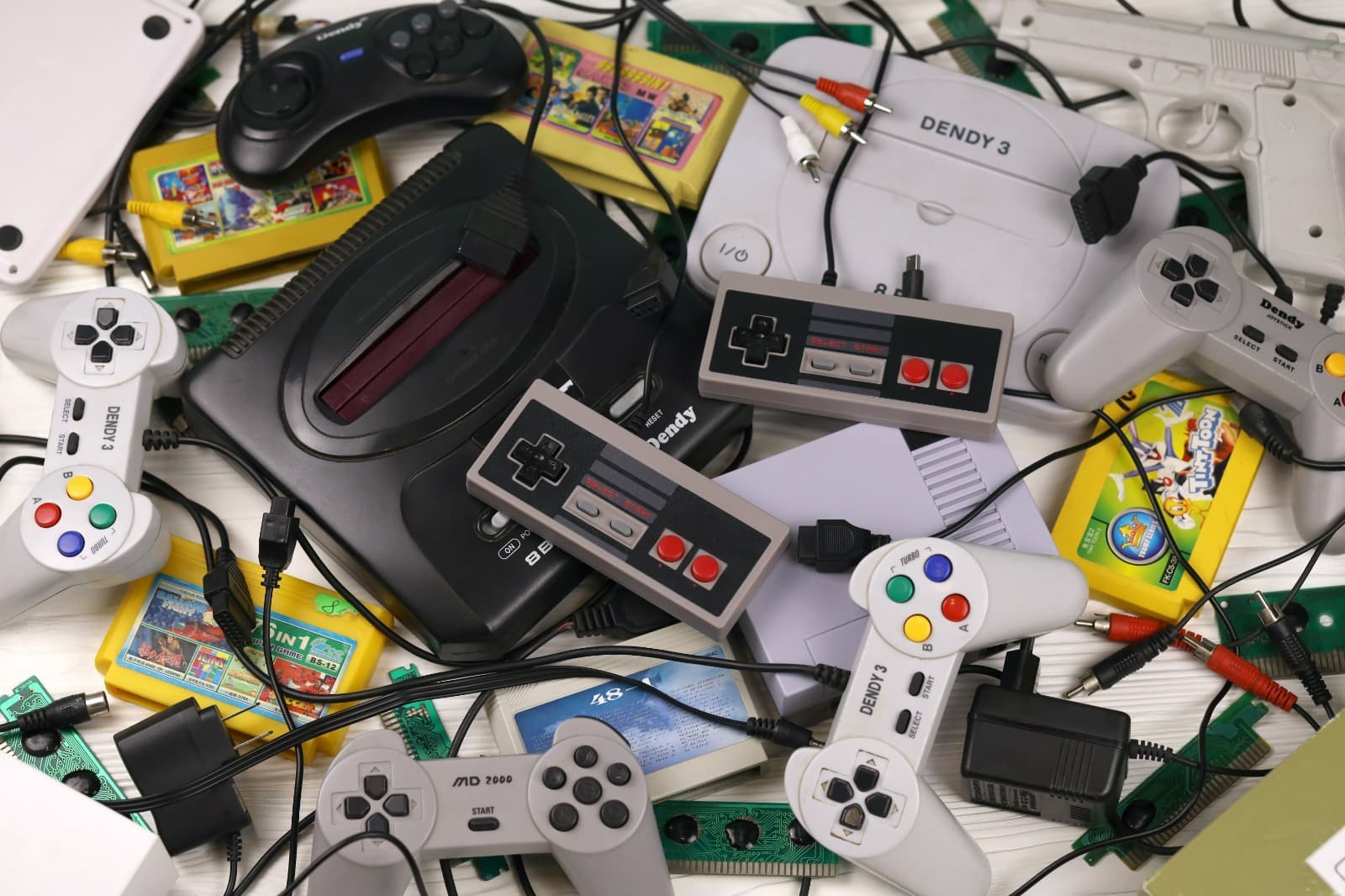
The arrival of television, and later video game consoles and computers, marked a turning point. In the 1980s and 1990s, Slovenian children became increasingly interested in digital entertainment. Early consoles and computer games captivated children’s imaginations, offering new forms of interaction—interactivity, dynamic storylines, and a sense of immersion. Games like Super Mario, Tetris, and later The Sims or Counter-Strike became cultural codes of entire generations.
Today’s Gaming Environment: A Virtual World in Your Pocket
Today, games are not just leisure—they’re part of everyday life and a component of modern children’s digital identity. Smartphones, tablets, and VR headsets have made gaming accessible anytime, anywhere. Among children in Slovenia aged 7 to 14, recent data shows that more than 85% regularly use mobile devices for gaming. The gaming space is now intertwined with social media and messaging apps, where children not only play but also socialize, compete, and learn.
Yet this shift toward digital play evokes both admiration and concern. On one hand, modern games develop strategic thinking, reaction speed, problem-solving abilities, and English language skills. Educational platforms like Minecraft Education or puzzle-based games offer real cognitive benefits. On the other hand, there are rising issues: addiction, lack of physical activity, reduced concentration, and diminished face-to-face interaction.
Psychologists and educators in Slovenia have been emphasizing the importance of digital hygiene and maintaining a balance between screen time and live interaction. More and more parents are trying to reintroduce outdoor games, board games, walks, and creative activities into their children’s routines. This is a response to the growing trend of emotional isolation and overstimulation caused by digital overload.
How Games Shape a Generation: Skills, Values, Mindset
Games are not only a source of fun but also a tool of socialization. Past games taught cooperation, rule-following, respect for elders, and physical endurance. Modern games, especially multiplayer online games, foster other qualities: competitiveness, fast reaction, digital literacy. They cultivate digital competence, cognitive flexibility, and multitasking ability.
It is important to note that gaming culture often defines a generation’s values. While 30 years ago, a hero might have been a boy with a wooden sword and a vivid imagination, today it’s a virtual avatar equipped with skins and digital achievements. While some lament the loss of simplicity, others see it as a natural evolution: children grow up in a world that has itself become digital.
Family games have also undergone a transformation. Where evenings with a board game and TV used to be the norm, today parents and children may play cooperative video games together, build worlds in Minecraft, or explore educational apps. This creates new points of connection between generations—if approached thoughtfully.
Looking to the Future: What Awaits Children’s Games Tomorrow
Technological development promises even more interactive forms of children’s leisure. Artificial intelligence, augmented and virtual reality, and neurointerfaces are already entering everyday use. Games are no longer just simulations—they are becoming near-real experiences. School education is increasingly integrating gaming elements into the curriculum, including in Slovenia, where digital literacy programs are being introduced from primary school.
However, an important question arises: will children lose their connection to reality? The answer lies in balance. Games are a powerful resource when they supplement—not replace—real-life experience. The future likely lies in a hybrid form, where classic game elements (imagination, movement, live interaction) are combined with digital capabilities.
This flexible combination will allow future generations of Slovenian children to develop harmoniously: on one hand, to be part of the digital world, and on the other—to stay connected to nature, culture, and genuine human interaction.

Related Posts